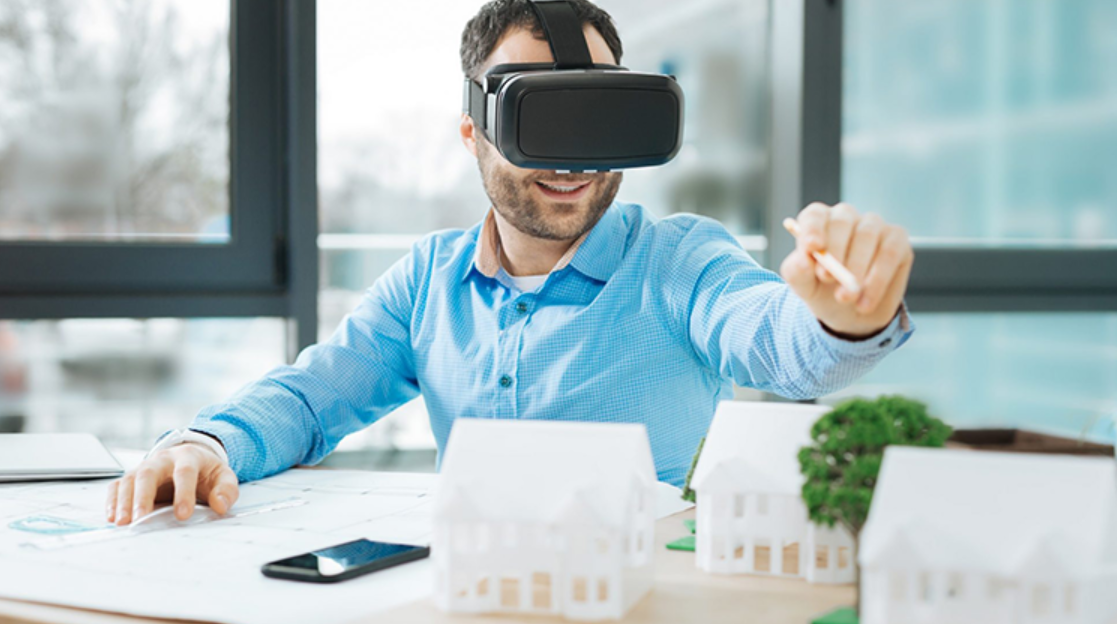
How Virtual Reality Is Changing the Landscape Of Real Estate
Virtual reality is increasingly integrated into the real estate sector, fundamentally altering property marketing and client engagement. By enabling immersive virtual tours, this technology allows potential buyers to interact with properties remotely, enhancing their decision-making process. However, the implications of this shift extend beyond mere convenience. As VR continues to evolve, its impact on the dynamics of client-agent relationships and overall market strategies warrants further exploration. What future developments could emerge from this technological shift?
The Rise of Virtual Reality in Real Estate
As technology continues to evolve, the integration of virtual reality (VR) in real estate has emerged as a transformative force, reshaping how properties are marketed and experienced.
Virtual tours facilitated by VR technology enhance buyer engagement, allowing potential purchasers to explore properties remotely and intuitively. This immersive experience not only streamlines the buying process but also empowers clients with unprecedented freedom in their decision-making journey.
Enhancing Property Marketing With Immersive Experiences
How can immersive experiences revolutionize property marketing?
By integrating immersive tours, real estate professionals enhance buyer engagement, allowing potential clients to explore properties remotely and interactively.
This technology transcends traditional listings, offering a visceral connection to spaces that photographs cannot replicate.
Consequently, agents can effectively showcase unique features, fostering informed decision-making and attracting a broader audience, thereby transforming the marketing landscape.
See also: How to Use Tech to Streamline Your Business Operations
Streamlining the Home Buying Process
The integration of virtual reality (VR) technologies not only enhances property marketing through immersive experiences but also plays a pivotal role in streamlining the home buying process.
Future Trends in Virtual Reality and Real Estate
Innovations lie ahead for virtual reality in the real estate sector. Enhanced virtual tours and advanced property visualization techniques are expected to revolutionize buyer experiences.
Integrating artificial intelligence and machine learning could allow for personalized virtual environments, enabling prospective homeowners to explore homes in immersive detail.
As these technologies evolve, they promise greater autonomy and informed decision-making for clients in the real estate market.
Conclusion
In summary, the transformative tide of virtual reality is reshaping the real estate realm, facilitating faster and more focused property transactions. By delivering dynamic digital experiences, VR not only enhances marketing methodologies but also fosters profound connections between clients and properties. As this technology continues to advance, its potential to revolutionize real estate practices is boundless, promising a future where immersive interactions redefine how buyers experience and engage with homes, ultimately leading to a more streamlined and satisfying process.